IP67 and IK10 explained: security camera ratings that matter
Nearly every outdoor camera is rated IP67, and the domes add IK10. Here is what those two codes actually promise, and why a good rating still fails if the install is sloppy.
Look through the datasheets we index and one rating shows up again and again: IP67, usually with IK10 on the domes. They are two of the most quoted specs in the industry and two of the most misunderstood. Here is what each one actually guarantees, and the catch that turns a great rating into a leaking camera.
IP67: the dust and water code
IP (Ingress Protection) is always two digits. The first is solids, the second is liquids:
- The 6 means fully dust-tight. Not “mostly” - no dust gets in at all.
- The 7 means protected against temporary immersion: submersion in up to 1 metre of water for 30 minutes, per IEC 60529.
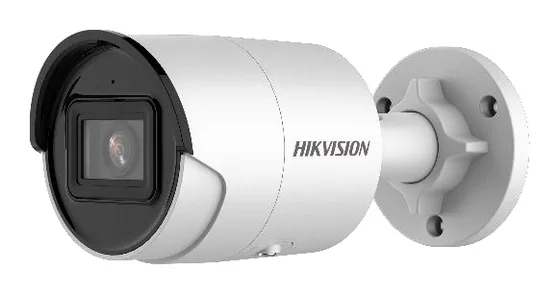
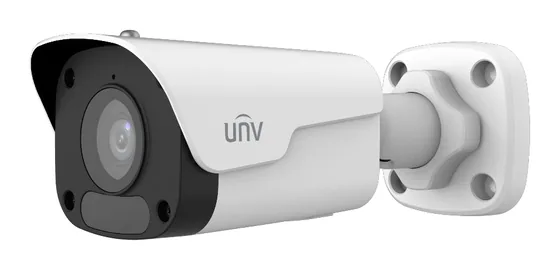
So an IP67 camera like the Hikvision DS-2CD2046G2-I(U) or the Uniview IPC2124LB-ADF28(40)KM-H is built to shrug off driving rain and a hose-down. What IP67 does not promise is prolonged pressure-washing (that is closer to IP69K territory) or permanent underwater use.
IK10: the impact code
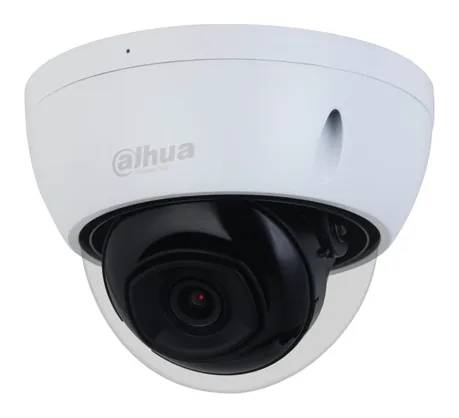
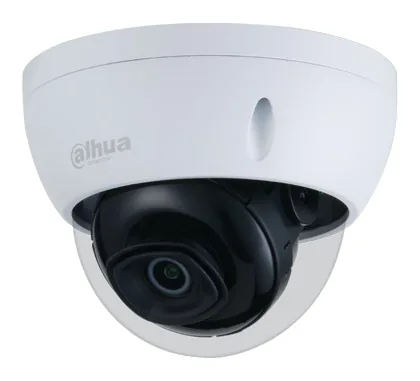
IK is a separate scale, for physical impact, and IK10 is the top of it: protection against a 20-joule strike, roughly a 5 kg mass dropped from 40 cm. That is why you see IK10 on the vandal domes like the Dahua IPC-HDBW2441E-S - the recessed dome and metal body are meant to survive a determined kick or a thrown bottle. Bullets and turrets often carry no IK rating at all, because their shape does not lend itself to the same protection.
The catch: a rating is a lab result, not a guarantee
Here is the part that costs installers callbacks. IP67 is measured on a sealed camera in a lab. On site, the seal is only as good as your install:
- The cable entry is the weak point. Water gets in through the tail, not the body. Use the proper gland, and land the connection inside a junction box so the splice is enclosed and dry.
- Seat the gasket. A pinched or missing gasket on the base voids the whole rating.
- Point the drip loop down. Let water run away from, not into, the entry. Our wiring guide covers back-entry versus side-entry for exactly this.
So treat the datasheet rating as the ceiling, not the floor. The camera can do IP67; whether your install does is up to the gland, the gasket and the box.
Reading it on the site
Every camera page here quotes the protection rating straight from the datasheet, with the source, so you can confirm IP67 or IK10 before you spec a site. Browse the vandal domes by brand: Hikvision, Dahua, Uniview.
Parts featured in this guide
Explore the datasheet-verified data
Everything in this guide is backed by the parts we index. Jump straight in: